

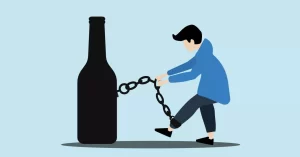
Alcohol addiction is one of the most misunderstood and underestimated forms of dependency. Unlike other substances, alcohol is socially accepted, easily accessible, and often linked to celebrations, relaxation, or stress relief. As a result, many people do not recognise when their occasional drinking gradually develops into dependency. At MyHab, we encounter numerous individuals who only become aware of their struggle with alcohol addiction after it has already affected their health, relationships, and emotional wellbeing.
Understanding why alcohol addiction often goes unnoticed is the first step toward early intervention and recovery.
The Social Mask of “Normal” Drinking
One of the main reasons alcohol is overlooked is because drinking is considered a normal part of social life. A glass after work, weekend drinks with friends, or a bottle of wine to “unwind” is widely accepted habits. However, when these habits become emotional coping mechanisms, the risk of addiction increases — often without anyone noticing.
Many individuals don’t fit the stereotype of what society considers an “alcoholic”. They go to work, maintain responsibilities, and appear to function normally. This creates a false sense of control, leading people to believe that if they’re holding their life together, their drinking isn’t a problem.
Emotional Dependence Is Harder to Spot
Not all alcohol dependency is obvious. Emotional dependence often shows up in subtle ways:
- Needing a drink to relax or feel “normal”
- Using alcohol to escape stress, sadness, or anxiety
- Thinking about the next drink more often than expected
- Feeling irritated when alcohol isn’t available
These signs are easy to dismiss, but at MyHab, we emphasise that relying on alcohol for emotional relief is an early indicator of addiction — even if physical dependency hasn’t developed yet.
High-Functioning Alcoholism – The Hidden Battle
Many people struggling with alcohol addiction are known as high-functioning drinkers. They manage to maintain their careers, relationships, and seem to lead successful lives while quietly relying on alcohol to cope with their challenges.
Because there are no obvious signs, such as job loss or relationship breakdowns, loved ones and the individuals themselves may not recognise the growing dependency. This delayed awareness can lead to more significant emotional and physical harm over time.
Denial and Self-Justification
Alcohol addiction is often accompanied by denial, making it even harder to recognise. People may justify their drinking by saying:
- “Everyone drinks, I’m just social.”
- “I don’t drink every day, so I’m fine.”
- “I only drink to sleep better.”
- “I work hard, I deserve to relax.”
At MyHab, we help individuals gently break through denial with compassionate awareness techniques. Recognising patterns without shame is a key part of recovery.
Physical Signs Are Often Mistaken for Stress or Lifestyle Issues
Fatigue, irritability, mood swings, and trouble concentrating are often dismissed as stress-related symptoms. However, these are also early signs that alcohol may be impacting the nervous system and emotional balance. Over time, the body begins to rely on alcohol to regulate mood, making it even harder to stop without support.
When Drinking Becomes a Silent Habit
Another reason alcohol addiction goes unnoticed is because the behaviour becomes habitual, not just social. When drinking becomes part of a routine — after work, before bed, during stressful moments — it can quickly shift from choice to necessity.
At MyHab, we encourage individuals to ask themselves a powerful question:
“Is alcohol something I enjoy occasionally, or something I rely on to get through the day?”
This honest reflection often reveals more than expected.
What to Do If You Suspect a Problem

Taking the first step towards recovery doesn’t require hitting “rock bottom.” Early action can prevent deeper emotional and physical damage. Here’s what you can do:
- Acknowledge Patterns
Notice when and why you drink. Is it for enjoyment, or to escape emotions?
- Seek Support Early
You don’t have to wait until things get worse. MyHab provides discreet, compassionate support for those ready to understand their relationship with alcohol.
- Explore Healthier Coping Tools
Learning alternative ways to manage stress and emotional discomfort is key to long-term freedom.
- Surround Yourself with Supportive Environments
Healing happens faster in safe, understanding spaces like the residential program offered at MyHab, where emotional wellbeing is treated with care and respect.
Final Thought – Awareness Creates Change
Alcohol addiction often goes unnoticed because it wears a socially accepted disguise. But awareness changes everything. Once you recognise the emotional patterns connected to alcohol, you regain power over your choices.
MyHab is here to help individuals move from quiet struggle to confident recovery — with compassion, dignity, and personalised care every step of the way.
Take the First Step with MyHab
If you or a loved one is ready to break free from addiction, MyHab is here to guide you—every step of the way. Our Melbourne-based rehabilitation centre offers professional care, tailored programs, and a supportive community to help you achieve lasting recovery.
Contact MyHab today to learn more or to speak with a caring professional. A new chapter begins with a single step—and we’ll walk it with you.